


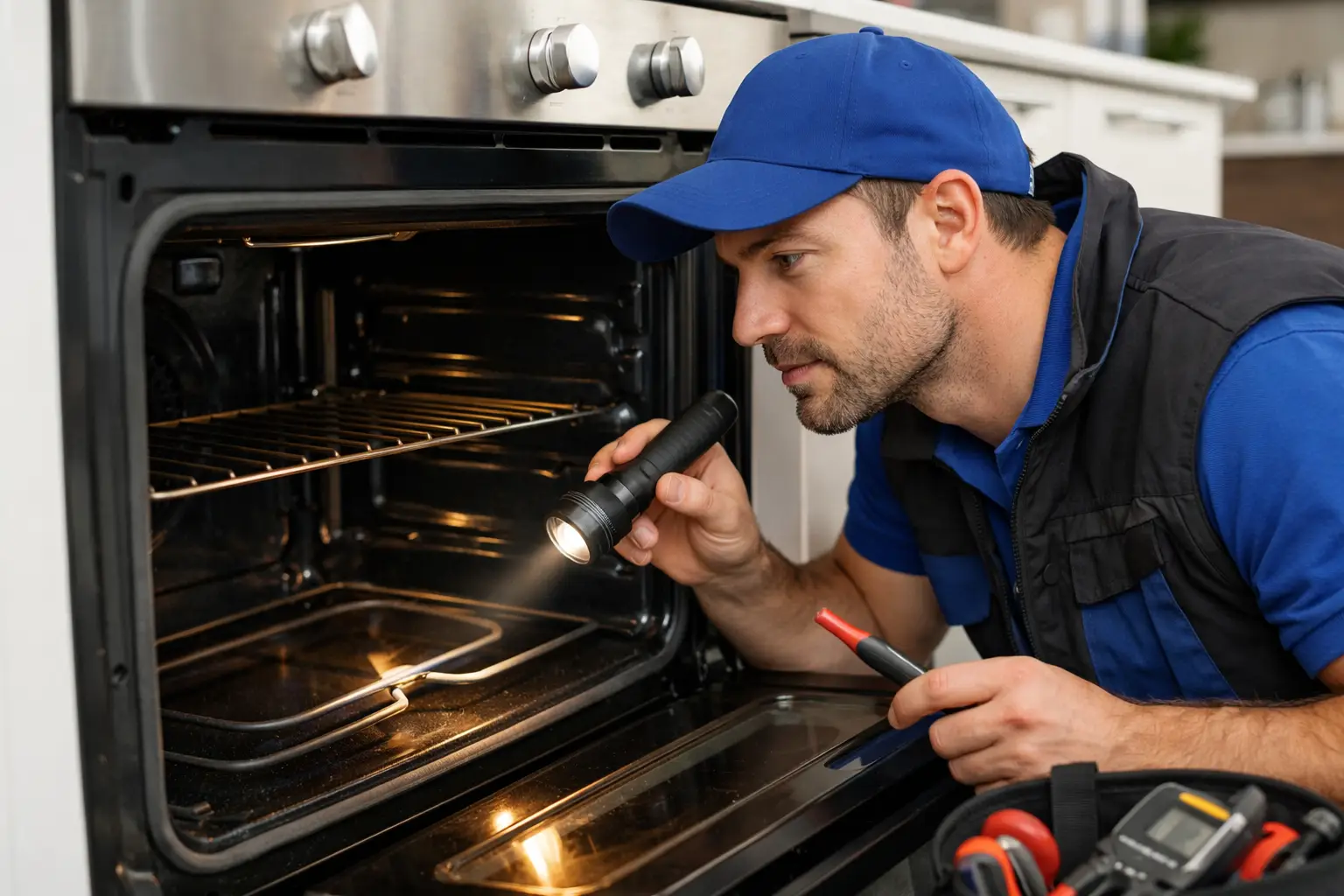
Dinner prep usually becomes a lot more urgent when the oven not heating turns a simple meal into a stalled evening. In most homes, this is not a minor inconvenience. It affects family routines, holiday plans, and even basic weeknight cooking. The good news is that an oven that stops producing heat often gives clear warning signs, and those signs can point to a repairable problem rather than immediate replacement.
What it usually means when an oven is not heating
An oven can fail to heat for several different reasons, and the exact cause depends on whether you have a gas or electric unit, how the oven failed, and whether the issue is total or partial. Some ovens do not heat at all. Others preheat slowly, stop short of the selected temperature, or heat unevenly. Those differences matter because they help narrow down the likely failed part.
If the display turns on, the light works, and the controls respond, the problem is usually not the entire appliance. In many cases, the fault is tied to a heating element, igniter, temperature sensor, thermal protection component, or control-related issue. If the oven is completely dead, the diagnosis shifts toward power supply, wiring, terminal block damage, or control board failure.
That is why the symptom itself matters as much as the phrase oven not heating. A technician is not just asking whether it turns on. They are listening for details that reveal which system has stopped doing its job.
Common causes of an oven not heating
Failed bake element in an electric oven
In electric ovens, the bake element is one of the most common failure points. It is responsible for producing the heat used for most baking cycles. If that element burns out, the oven may not heat at all, or it may heat very weakly while the broil element still appears to work.
A damaged bake element may show blistering, visible breaks, or bright spots that suggest it has shorted. Sometimes the damage is obvious. Other times the element looks normal but has failed internally. In that case, testing is needed to confirm continuity and proper power delivery.
Bad igniter in a gas oven
In gas ovens, the igniter is often the first part checked when the oven is not heating. A weak igniter may glow but still fail to draw enough current to open the gas valve. That can make the oven appear partially functional while never actually producing flame and heat.
This is one of the more common situations where homeowners assume gas flow is the problem when the real issue is the igniter. Because gas ignition components involve both electrical and gas systems, this is usually not the place for guesswork.
Faulty temperature sensor
The oven sensor reads cavity temperature and helps the control regulate heat. When it starts sending inaccurate readings, the oven may underheat, overheat, or shut off heating at the wrong time. Some households first notice this when food suddenly takes much longer to cook, even though the oven seems to preheat normally.
A bad sensor does not always stop the oven completely. That is part of what makes it easy to overlook. If the complaint is poor baking performance rather than total heat loss, the sensor often becomes a strong suspect.
Control board or thermostat problems
Modern ovens rely on electronic controls to send power to the right components at the right time. If the control board fails, the oven may stop heating even though the display still works. With older models, a thermostat or selector switch can also fail and interrupt the heating cycle.
This category can be harder to diagnose without proper testing because the symptoms overlap with other problems. A technician typically checks whether voltage is reaching the heating system before concluding the control is at fault.
Power supply issues
An electric oven may appear to have power while still lacking the full voltage needed to heat. That happens because the clock, light, or display may run on partial power, while the heating components require the complete supply. A tripped breaker, damaged cord, loose terminal connection, or wiring issue can all cause this kind of failure.
This is one reason a powered-on oven can still leave people confused. From the outside, it looks alive. Internally, it may not be getting what it needs to produce heat.
Thermal fuse, safety switch, or wiring failure
Some ovens include protective parts designed to interrupt operation if the appliance overheats or if another fault creates a safety risk. A blown thermal fuse, damaged high-heat wire, or failed safety component can stop the oven from heating.
These failures are less predictable from a homeowner’s point of view because they do not always follow a long pattern of weak performance. Sometimes the oven works one day and stops the next.
Signs the problem is getting worse
An oven usually does not move from perfect operation to complete failure without leaving clues. If preheat times have been getting longer, if the oven struggles to maintain temperature, or if certain dishes are coming out undercooked despite normal settings, the underlying issue may have been developing for some time.
You may also notice clicking without ignition in a gas model, uneven browning in an electric model, a burning smell from a damaged element, or an error code on the display. Any of those signs suggest the appliance should be checked before the next use. Waiting can turn a single failed part into additional damage, especially when overheating or electrical stress is involved.
Why quick diagnosis matters
When an oven is not heating, people often wonder whether they should keep trying different settings to see if it starts working again. In some cases, repeated attempts do not just waste time. They can also increase wear on other components.
A weak gas igniter, for example, may continue to cycle without lighting properly. A failing electric element may arc or short. Loose wiring can worsen with continued use. There is also the practical issue: if the oven is central to your daily routine, a delayed repair tends to create more disruption than most homeowners expect.
Fast diagnosis matters because it separates simple part replacement from larger, avoidable repair costs. It also helps confirm whether the oven is worth repairing based on age, condition, and parts availability.
Repair or replace? It depends on the failure
Not every oven that stops heating needs to be replaced. In many cases, the repair is straightforward when the problem is isolated to a common component like an igniter, bake element, or sensor. That is especially true if the rest of the appliance is in solid condition.
Replacement becomes a more serious conversation when there are multiple failing systems, significant control board damage, or age-related wear across the appliance. Even then, the answer depends on brand, model, parts access, and overall repair cost. A professional diagnosis gives you a realistic picture instead of forcing a decision based on guesswork.
For most households, the best first step is not shopping for a new oven. It is finding out exactly what failed and whether the repair can be completed quickly with the right part on hand.
When to call for oven repair
Safety concerns should not wait
If you smell gas, see sparking, notice scorch marks, or suspect damaged wiring, stop using the oven and arrange service right away. Those are not symptoms to monitor over the next few days.
Intermittent heating is still a repair issue
If the oven heats sometimes but not consistently, the problem has not gone away. Intermittent operation often points to a part that is failing under load, and those issues rarely correct themselves.
Brand-specific diagnosis saves time
Different brands and models fail in different ways. An experienced technician knows the common weak points, how to test them efficiently, and whether genuine replacement parts are readily available. That shortens downtime and reduces the chance of replacing the wrong component.
For homeowners in Irvine and across Orange County, timely oven repair matters because kitchen downtime affects the whole household. Prostar Appliance Service provides professional diagnostics and repair for major appliance brands, with trained technicians, stocked genuine parts, and warranty-backed work designed to minimize repeat visits. If your oven has stopped heating and you want a trusted local company to inspect it properly, visit our Google Business Profile.