


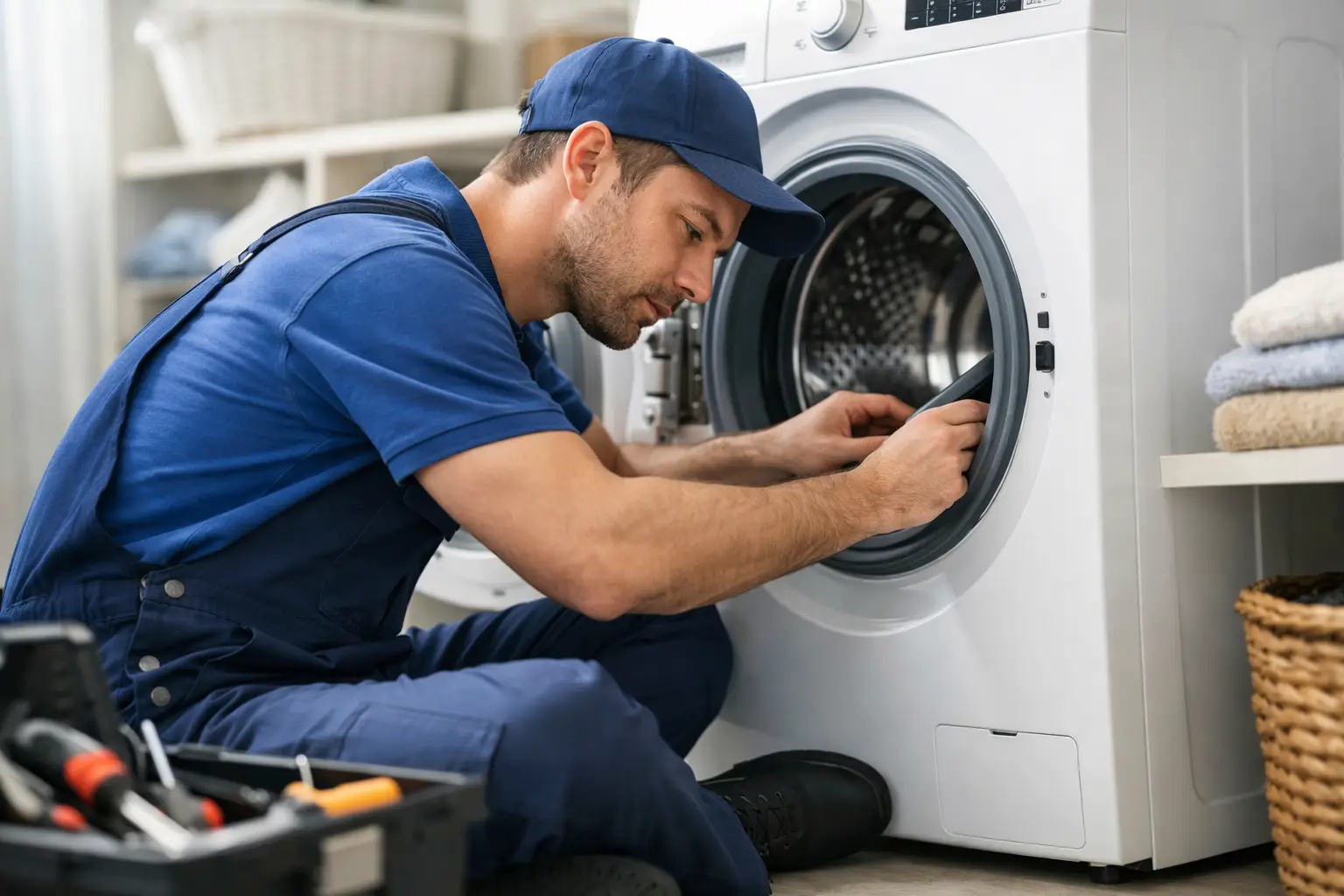
A washer that stops mid-cycle can turn a normal week into a problem fast. Laundry piles up, work clothes are not ready, and a leaking machine can put flooring and nearby walls at risk. For dependable washer repair Irvine homeowners can count on, the priority is finding the cause quickly and correcting it before a small failure becomes a larger household expense.
Modern washing machines rely on multiple systems working together: water inlet components, drain pumps, door or lid locks, control boards, motors, belts, sensors, and hoses. A symptom that looks simple from the outside can have several possible causes. Professional diagnosis helps avoid replacing the wrong part or overlooking a condition that could cause water damage.
When a Washer Problem Needs Professional Attention
Some washer issues are inconvenient but manageable for a short time. Others should be addressed promptly. A machine that is leaking, making loud grinding noises, giving off a burning smell, or refusing to drain should be taken out of service until it can be checked.
Water on the floor is especially urgent. The source may be a loose supply hose, a worn door boot on a front-load washer, a damaged drain hose, a faulty inlet valve, or an internal tub seal problem. Continuing to run the washer can allow water to reach baseboards, cabinets, lower-level ceilings, or electrical components.
A burning odor, smoke, repeated breaker trips, or visible damage to a power cord also calls for immediate service. These signs may point to a motor issue, wiring concern, failing control board, or other electrical fault. Unplug the appliance if it is safe to do so and avoid another test cycle.
Common Washer Failures and What They Can Mean
A washer does not need to be completely dead to require repair. Changes in cycle performance often provide the first warning that a component is wearing out.
The Washer Will Not Start
When the display lights up but the cycle will not begin, the problem may involve the lid switch, door lock assembly, control panel, timer, or electronic control board. On some models, a washer will not start if it cannot confirm that the lid or door is securely locked. A technician can test the relevant parts rather than guessing based on the symptom alone.
If there is no power at all, the issue could be as basic as an outlet or tripped breaker, but it can also involve the machine’s power supply, wiring, or control system. It depends on the washer model and whether the failure happened suddenly or developed over several cycles.
The Washer Fills but Will Not Agitate or Spin
A load that comes out soaking wet usually means the washer did not complete its spin cycle. Depending on the design, the cause could be a worn drive belt, motor coupling, clutch, shift actuator, lid lock, suspension issue, drain problem, or motor fault.
Overloading can contribute to poor spinning, but a balanced normal-sized load that repeatedly leaves excess water behind deserves attention. Running more cycles to compensate can put added strain on an already failing part and increase utility use without solving the underlying problem.
The Washer Will Not Drain
Standing water in the tub often points to a drain pump issue, a blocked drain path, a kinked hose, or a problem with the washer’s control system. Small items can sometimes enter areas they should not, but reaching internal components without the right tools can create more damage or leave the washer improperly sealed.
A technician will check the pump, hose routing, drainage function, and error codes where applicable. The goal is not simply to remove the water, but to identify why the washer was unable to drain in the first place.
The Washer Shakes, Bangs, or Walks Across the Floor
A brief amount of movement during spin is normal. Heavy thumping, repeated banging, or a washer that shifts across the floor is not. An unbalanced load can cause vibration, but recurring movement may involve worn suspension rods, shocks, springs, leveling problems, or issues within the tub assembly.
Ignoring severe vibration can damage internal components over time. It can also loosen hoses and connections, creating a separate leak risk. This is particularly worth addressing in upstairs laundry rooms or tight spaces where the machine sits near walls and cabinets.
The Washer Leaves Clothes Dirty or Covered in Residue
Poor cleaning results are not always a detergent problem. Low water flow, a failing inlet valve, a dispenser issue, poor agitation, temperature-control faults, or a worn wash component can affect performance. Excessive detergent can also leave residue, especially in high-efficiency machines designed to use less water.
A repair visit can distinguish between a mechanical failure and a usage-related issue. That distinction matters because replacing parts will not fix a detergent or loading problem, while changing products will not repair a failing water inlet valve or agitator system.
Why Accurate Diagnosis Saves Time and Money
Washer repairs are often more cost-effective than replacement, especially when the machine is otherwise in good condition and the failed component is serviceable. However, the right decision depends on the age of the washer, the type of repair needed, the availability of parts, and the overall condition of the appliance.
For example, replacing a drain pump or door lock on a well-maintained washer may make practical sense. A machine with multiple major failures, extensive corrosion, or a costly tub or transmission issue may require a more careful repair-versus-replacement discussion. An experienced technician should explain the condition found, the recommended repair, and the expected cost before work moves forward.
Accurate diagnostics also reduce repeat visits. Many modern washers use model-specific components, and some parts may look similar while functioning differently. Working with a service company that carries commonly needed genuine parts can help shorten downtime when the needed part is available.
What to Do Before Your Washer Service Appointment
You do not need to take the washer apart before service. A few simple details can help make the visit more efficient. If possible, leave the machine in the condition where the problem occurred, especially if it displays an error code. Note whether the issue happens during filling, washing, draining, or spinning, and whether it occurs with every load.
Clear a path to the laundry area and remove items stored on top of the appliance. If the washer is leaking, do not run another cycle to demonstrate the problem. Instead, let the technician know where you saw water, how much was present, and whether the leak appeared at the front, back, or underneath the machine.
For stacked units or washers installed in a tight closet, access can affect the service process. There may be additional time needed to safely move the appliance and inspect connections. That is normal and helps ensure the repair addresses the full issue rather than only the visible symptom.
Choosing Washer Repair in Irvine With Confidence
When your washer fails, fast service matters, but workmanship matters just as much. Look for a local company with trained, licensed, and insured technicians, experience with major appliance brands, clear communication, and warranty coverage for completed work. A repair should leave you with a machine that operates properly and a clear understanding of what was repaired.
Prostar Appliance Service provides professional residential washer diagnostics and repair for homeowners dealing with leaks, drainage failures, spin problems, error codes, and other disruptive washer issues. With more than 25 years of experience and a 90-day warranty on parts and labor, the focus is on dependable work that helps restore your laundry routine with as few interruptions as possible.
If your washer is leaking, stopping mid-cycle, or leaving every load wet, arranging service before the problem worsens can protect both your appliance and your home. Irvine homeowners can rely on local professional support to identify the fault, explain the repair clearly, and help get laundry back on schedule.