


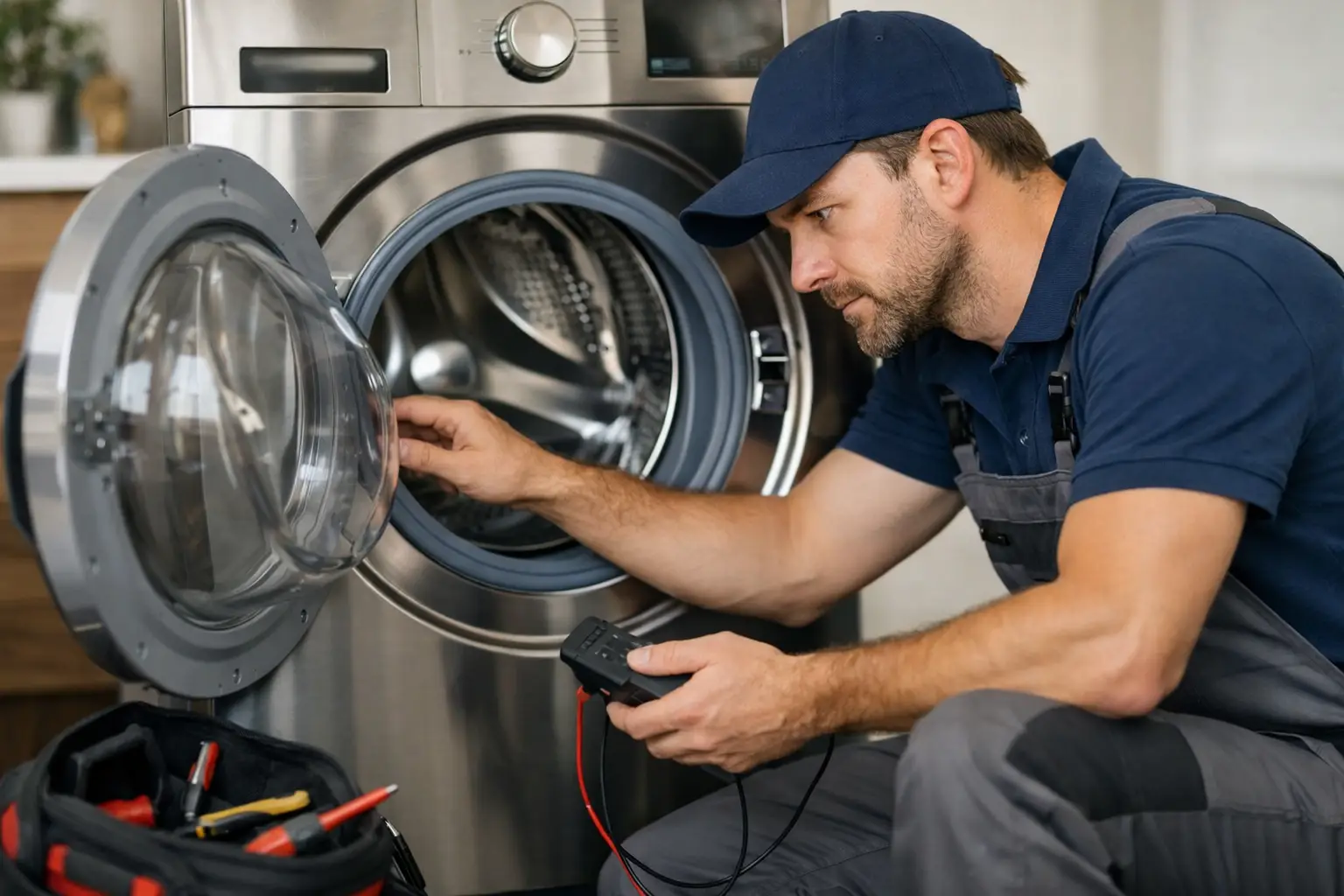
A refrigerator that stops cooling, a washer that will not drain, or an oven that will not heat creates an immediate problem at home. Once you approve a repair, a 90 day repair warranty gives you a clear period of protection if the same repaired issue returns. It is more than a line on an invoice. It is a service provider standing behind the diagnosis, replacement part, and workmanship.
For homeowners, the value is simple: you should not have to pay twice for the same repair because a covered part fails early or the original repair does not hold. Still, warranties are not all written the same way. Knowing what to expect helps you compare repair companies with confidence and avoid surprises if your appliance has another problem.
What a 90 Day Repair Warranty Usually Covers
A well-defined 90-day warranty on parts and labor generally applies to the specific repair performed. If a technician replaces a failed dishwasher drain pump and that same replacement pump fails during the warranty period, the part and labor needed to address that covered failure should be included.
The labor portion matters as much as the part. A repair can require diagnostic time, disassembly, testing, and reassembly. When the same covered issue reappears, warranty-backed labor means you have a path to have the repair checked without starting over with another full repair charge.
Coverage is normally tied to the original problem and the parts installed during that visit. For example, if a dryer received a new thermal fuse because it would not start, the warranty concerns that repair. It does not turn into a blanket warranty for every component in the dryer.
This distinction protects both the homeowner and the service company. You receive support for the work you purchased, while a separate failure is evaluated on its own facts rather than incorrectly treated as a repeat repair.
Parts coverage
A covered part is typically one supplied and installed as part of the original repair. Genuine, manufacturer-approved parts are often the best choice when available because they are made for the appliance’s specifications. They may cost more than an unverified alternative, but correct fit and dependable operation can reduce the chance of an early repeat issue.
Some appliance components carry manufacturer warranties that extend beyond a service company’s labor coverage. Those terms can vary by brand and part type. A professional technician can explain whether a part has separate manufacturer protection and what service costs, if any, may apply after the initial labor warranty ends.
Labor coverage
Labor coverage applies when the technician needs to return because the covered repair itself has failed. It reflects confidence in the diagnosis and installation. If the original issue was not resolved, the repair company should inspect the appliance, determine whether the concern is related, and make the appropriate covered correction.
A 90-day period is also practical for household use. Major appliances are used regularly, so a problem connected to a recent repair will usually become apparent during that window. Homeowners get time to confirm that a refrigerator maintains temperature, a washer completes cycles, or a range heats consistently under normal use.
What a 90 Day Repair Warranty Does Not Cover
A warranty is valuable, but it has reasonable limits. Appliances are complex systems, and a new failure can occur after a successful repair. If an ice maker is repaired and the refrigerator later develops a compressor problem, those are different issues. The second problem may require its own diagnosis and estimate.
Warranty exclusions often involve damage or conditions outside the original repair, such as power surges, plumbing leaks, pest damage, misuse, physical damage, poor ventilation, or incorrect installation by another party. A clogged household drain line, for instance, can create dishwasher or washing machine drainage symptoms even when the appliance component installed during the first visit is working correctly.
Normal wear on unrelated components is also separate. An older appliance may have several parts approaching the end of their service life. Repairing one failed component can restore operation, but it cannot prevent every future age-related failure.
The key question is not simply, “Is the appliance still acting up?” It is, “Is this the same issue caused by the part or labor from the original repair?” A reputable technician will inspect the appliance before making that call rather than assuming every repeat symptom is automatically covered or automatically excluded.
Why Warranty Terms Matter Before You Approve a Repair
When an essential appliance fails, it is understandable to focus on getting it running as fast as possible. But a low initial price without meaningful warranty coverage can become expensive if the same issue returns a week later. A written warranty gives you a defined standard for what happens after the technician leaves.
Before approving work, ask what the warranty covers, how long it lasts, and whether it includes both parts and labor. You should also ask whether the warranty applies to the specific component being installed and whether any manufacturer part warranty is separate. Clear answers are a sign that the company has a consistent service process.
Keep your invoice after the repair. It documents the appliance, the reported issue, the work performed, the parts used, and the date the warranty period began. If the concern returns, that information helps the service team review the original repair quickly and schedule the right follow-up.
It also helps to describe the repeat problem precisely. Note error codes, unusual sounds, leaks, temperatures, cycle behavior, or whether the appliance fails at a certain point in operation. These details can help distinguish a recurring covered fault from a new failure that happens to produce a similar symptom.
The Difference Between a Warranty and a Promise of a New Appliance
A repair warranty is not a promise that an aging appliance will never fail again. It is a commitment to stand behind a specific repair. That is an important and fair difference, especially for refrigerators, washers, dryers, and cooking appliances with many independent mechanical and electronic parts.
There are times when repairing an appliance is the sensible choice. A newer unit with a single failed pump, valve, sensor, igniter, or control-related component can often be restored for much less than replacement. A quality repair backed by a 90-day warranty provides useful reassurance that the repair is not a gamble.
Other situations require a more careful decision. If an appliance is older, has repeated major failures, needs an expensive sealed-system repair, or has several worn components, replacement may offer better long-term value. The right answer depends on the appliance’s age, condition, repair cost, replacement cost, and how reliable you need it to be for your household.
An experienced technician should explain the options honestly. The goal is not to push a repair at any cost. It is to give you a clear diagnosis, a realistic estimate, and a recommendation that fits the condition of your appliance.
How to Get the Most From Warranty-Backed Service
After a repair, use the appliance normally and pay attention during the first several cycles or days of operation. Confirm that a dishwasher drains fully, a dryer heats and tumbles properly, or a refrigerator reaches and holds safe temperatures. If the original problem returns, contact the repair company promptly rather than waiting until the warranty period is nearly over.
Avoid changing settings, disconnecting parts, or arranging work by another provider before the original repair can be inspected. Those actions can make it harder to identify the cause of the repeat problem. If there is an urgent safety concern, such as burning smells, sparking, or a significant leak, stop using the appliance and seek service immediately.
A warranty also works best when the appliance is properly installed and maintained. Keep refrigerator vents clear, avoid overloading washers and dryers, use the correct detergent, and address water leaks or electrical issues quickly. Basic care will not eliminate every breakdown, but it can prevent avoidable strain on the components that keep appliances running.
For homeowners in Irvine and across Orange County, dependable appliance service should include a clear explanation of the repair and confidence after the appointment. Prostar Appliance Service provides professional repairs backed by a 90-day warranty on parts and labor, helping you move forward when a critical appliance needs prompt attention.