


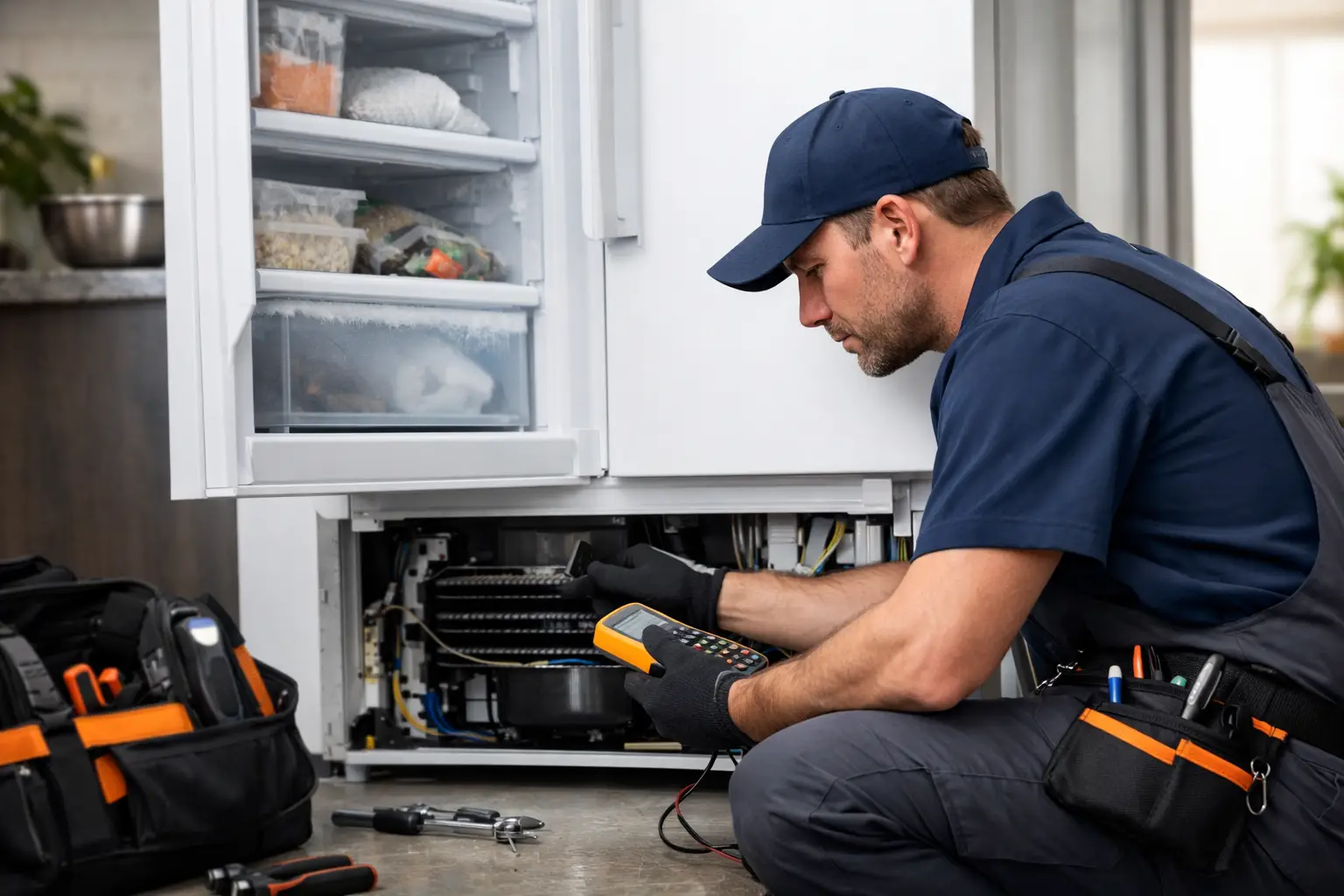
A freezer that stops holding temperature can turn from a minor inconvenience into a costly problem within hours. Meat, frozen meals, specialty groceries, and medications may all be at risk if the unit is warming up, cycling constantly, or failing to run. For homeowners needing freezer repair Costa Mesa service, the priority is simple: get a clear diagnosis quickly and avoid losing more food than necessary.
A freezer does not always fail all at once. In many cases, it gives warning signs first. Recognizing those signs and arranging professional service promptly can often prevent a complete breakdown and help protect the appliance from more extensive damage.
When a Freezer Problem Needs Prompt Service
If the freezer is above 0 degrees Fahrenheit, food safety becomes the immediate concern. A thermometer provides the most reliable answer, since the interior can feel cold even when it is not maintaining a safe freezing temperature. Food that has fully thawed or has been held above safe temperatures for too long may need to be discarded.
Other problems deserve fast attention even before the freezer reaches that point. Loud buzzing, repeated clicking, heavy frost buildup, water on the floor, or a motor that never seems to stop are all signs that a component may be struggling. A unit that runs continuously can increase energy use while still failing to cool properly.
A freezer that is completely silent can be just as concerning. The issue may be as simple as a power supply problem, but it can also involve the control board, compressor relay, thermostat, or another electrical part. Rather than guessing at the cause, a trained technician can test the system and identify what has actually failed.
Common Freezer Failures in Costa Mesa Homes
Freezers rely on several connected components to maintain steady temperatures. A problem in one area can create symptoms that look like another issue, which is why accurate diagnostics matter.
Frost buildup and poor airflow
A thick layer of ice on the back wall or around the vents often points to a defrost-system failure. The defrost heater, thermostat, sensor, timer, or control board may not be operating correctly. When frost blocks airflow through the freezer, cold air cannot circulate as designed, and the temperature can rise even though the appliance is still running.
Some homeowners attempt to solve this by manually defrosting the freezer. That may temporarily restore cooling, but it does not correct the failed part that caused the ice buildup. If the underlying issue is not repaired, the frost usually returns.
Warm freezer, cold refrigerator
For a refrigerator-freezer combination, it is common for the freezer to produce the cold air used by both compartments. When the refrigerator stays somewhat cool but the freezer becomes warm, the issue may involve a failed evaporator fan, blocked air passage, defrost problem, or sealed-system concern.
The reverse can happen too: the freezer remains cold while the fresh-food section warms up. Those symptoms require a different diagnosis. Temperature problems should not be treated as interchangeable, especially on modern appliances with electronic controls and multiple sensors.
Clicking sounds or a compressor that will not start
A repeated click followed by silence can indicate a problem with the compressor start relay or overload device. In some situations, the compressor itself may be failing. These are very different repairs in cost and scope, so testing is essential before any repair decision is made.
A professional technician should evaluate the compressor’s operation, electrical readings, cooling performance, and related components. Replacing a low-cost relay without confirming the cause can waste time and delay the repair your freezer actually needs.
Water leaks and ice maker concerns
Water beneath or behind a freezer may come from a clogged defrost drain, damaged water line, loose connection, or ice maker issue. A small leak can damage flooring, cabinets, and nearby walls if it continues unnoticed. If the freezer has an automatic ice maker, low ice production, overflowing ice, or no ice at all can also point to a water supply, inlet valve, sensor, or ice maker assembly problem.
Damaged door seals
A worn, torn, or loose door gasket allows warm, humid air into the freezer. This can cause excess frost, temperature swings, and longer run times. Door-seal problems are sometimes easy to spot, but proper alignment also matters. A door that does not close squarely can create the same cooling loss even when the gasket appears intact.
Why a Professional Diagnosis Saves Time
Freezer repair is rarely a good place for trial-and-error parts replacement. Refrigeration systems involve electrical components, moving parts, temperature controls, and, in some cases, sealed-system refrigerant work. The same symptom can have several possible causes.
For example, a freezer that is not cold enough might have dirty condenser coils, a weak fan motor, a defrost failure, a faulty thermistor, a failing compressor, or a control issue. Replacing the wrong part may not restore cooling and can make an urgent situation more expensive.
Professional freezer repair in Costa Mesa starts with identifying the actual failure. A technician can inspect airflow, test components, check temperatures, evaluate frost patterns, and determine whether repair is practical. This approach is particularly valuable for built-in units, premium brands, and newer models with electronic controls.
It also helps homeowners make a confident repair-or-replace decision. A quality freezer can often be worth repairing when the problem is limited to a fan, sensor, gasket, relay, ice maker component, or defrost part. If the appliance has a major sealed-system or compressor issue, the age, condition, and expected cost of repair should be weighed against replacement. There is no one answer for every unit.
What to Do While Waiting for Freezer Service
Keep the freezer door closed as much as possible. An unopened, fully stocked freezer can hold safe temperatures longer than a partially filled freezer, but opening the door repeatedly releases cold air and speeds up warming. If available, move high-value or temperature-sensitive items to another freezer or an insulated cooler with ice.
Avoid using sharp tools to chip away frost. It is easy to puncture an interior panel or refrigerant line, turning a manageable repair into a major issue. Do not remove panels, disconnect wiring, or attempt electrical testing unless you are qualified to do so.
If there is water on the floor, dry the area and keep children and pets away from the appliance until the source can be checked. For a unit that has stopped cooling entirely, note when you first noticed the issue and whether there were any unusual sounds, error codes, or power interruptions. Those details can help speed up the diagnostic visit.
Choosing a Freezer Repair Company
When food storage is on the line, availability and workmanship both matter. Look for a local company that works on major household appliance brands, uses trained and insured technicians, and explains the diagnosis before proceeding with a repair. Ask whether replacement parts are available and whether parts and labor are backed by a warranty.
Fast service is valuable, but a rushed guess is not. The goal is to have the freezer tested correctly, repaired with appropriate parts, and returned to stable operation with as few return visits as possible. For homeowners, that means less disruption, fewer spoiled groceries, and a better chance of extending the life of an essential appliance.
For dependable local freezer service in Costa Mesa and nearby Orange County communities, Prostar Appliance Service provides professional diagnostics and repair for major household freezer problems. A prompt inspection can help protect your food, your kitchen, and your schedule.