


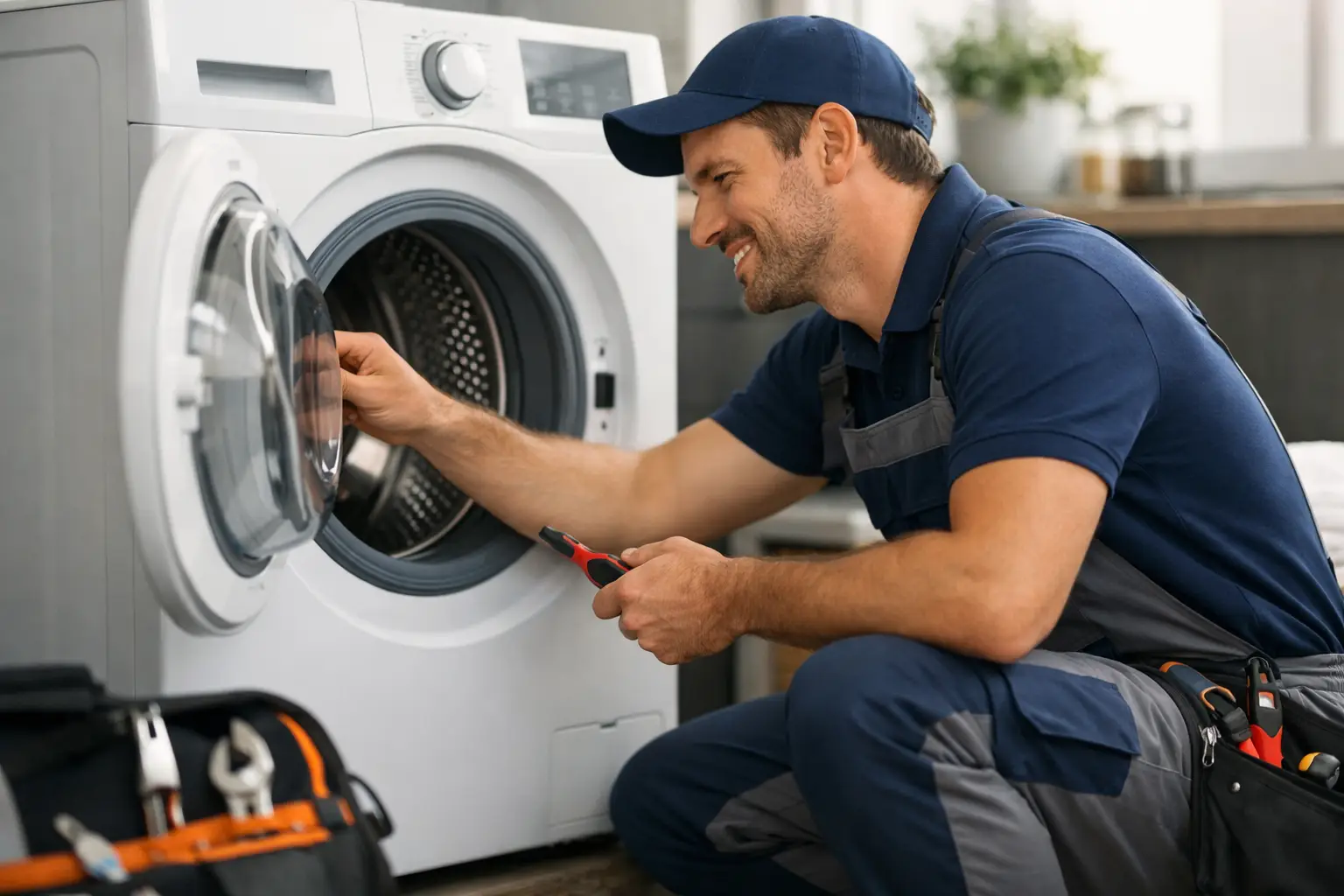
A washer that stops mid-cycle can turn a normal weekday into a laundry backlog fast. Whether it will not drain, will not spin, leaks across the floor, or makes a harsh banging sound, timely washer repair Tustin homeowners can trust helps protect both the appliance and the routine that depends on it.
For most households, a washing machine problem is not a good candidate for trial-and-error fixes. Modern washers combine electrical components, water valves, motors, sensors, control boards, and high-speed moving parts. A trained technician can identify the actual cause, explain the repair clearly, and help prevent a small failure from becoming water damage or a more expensive replacement decision.
When Washer Repair Tustin Service Makes Sense
Some washer issues are obvious. A machine that will not turn on, fill with water, drain, or complete a spin cycle needs professional attention. Other problems start quietly, such as clothes coming out wetter than usual, a door that will not lock consistently, or a cycle that takes much longer than it used to.
Calling for service early is often the practical choice. A weak drain pump, worn belt, failing inlet valve, or damaged door latch may still allow the washer to run part of the time. Waiting can put added strain on other parts, leave standing water in the drum, or lead to an unexpected breakdown when you have a full load ready to wash.
Repair is particularly worthwhile when the washer is otherwise in good condition, is within a reasonable service life, or is part of a matching laundry set. The right decision depends on the appliance’s age, brand, condition, repair needed, and the availability of replacement parts. A professional diagnosis gives you useful information before you spend money on a repair or commit to a new machine.
Common Washer Problems That Need Professional Diagnosis
The washer will not drain or spin
If water remains in the drum after a cycle, the problem may involve a clogged drain path, a worn drain pump, a faulty lid switch, a door-lock issue, or a control-related failure. Front-load and top-load machines can show similar symptoms for different reasons, so replacing a part without testing the system can waste time and money.
A washer that drains but will not spin may have an unbalanced load in a single instance. If the issue repeats with ordinary loads, it can point to a suspension problem, drive component failure, motor issue, or sensor malfunction. Continuing to run a machine that shakes violently can damage the washer and the flooring around it.
Water leaks around or under the machine
A small puddle can come from a loose hose connection, but it can also indicate a worn door boot, failing water inlet valve, cracked internal hose, damaged pump, or dispenser problem. Water may appear only during filling, agitation, draining, or spinning. That timing is valuable diagnostic information for a technician.
Turn off the washer and water supply if there is active leaking or water near an electrical outlet. Avoid running another test cycle until the source is identified. Water damage can spread behind the appliance, into baseboards, or into adjacent rooms before it is fully visible.
The washer is noisy, unstable, or banging
Occasional vibration is normal, especially with bulky towels or bedding. Repeated thumping, grinding, squealing, scraping, or loud knocking is not. The machine may be unlevel, but it may also have worn suspension rods, damaged shock absorbers, a loose counterweight, bearing wear, or a drive-system problem.
Noise matters because it often signals movement where there should be controlled operation. A technician can check the washer’s leveling, cabinet, tub, and internal mechanical components to determine whether a repair will restore safe operation.
The washer will not start or stops during a cycle
When a display is lit but the cycle will not begin, the issue can be as simple as a door or lid that is not engaging correctly. It can also involve the latch assembly, user interface, wiring, timer, control board, or power supply. A machine that stops in the middle of a cycle may be responding to a drainage, temperature, motor, or sensor fault.
Resetting power may clear a temporary interruption, but it does not repair a recurring failure. If the problem returns, professional testing is the safer and more efficient next step.
What to Do Before the Technician Arrives
You do not need to disassemble the washer or attempt a repair before scheduling service. A few safe details can make the visit more efficient. Note the brand and model number, the error code if one appears, and the point in the cycle when the problem occurs. If the washer leaks, make a note of whether it happens while filling, washing, draining, or spinning.
Clear a path to the laundry area and remove clothing from the drum if possible. If the washer has stopped with water inside, do not force the door open or tip the appliance. Let the technician know that water remains in the machine so the visit can be prepared accordingly.
It also helps to share whether the issue began suddenly or developed over time. A loud noise after moving the washer has a different likely cause than a machine that has gradually become slower to drain over several weeks.
Why Experience and Parts Availability Matter
Washer repairs are not one-size-fits-all. Major brands use different diagnostic systems, access points, and component designs. The same symptom, such as a no-spin condition, can require a different repair on a high-efficiency top-load washer than on a front-load model.
An experienced appliance technician begins with diagnosis rather than assumptions. That includes checking the relevant electrical, mechanical, drainage, and water-supply components before recommending work. The goal is to address the failed part and confirm that the washer can complete its functions correctly afterward.
Parts availability also affects the overall experience. When genuine replacement parts are stocked or readily available, many common repairs can be completed with fewer delays. Genuine parts are designed for the appliance model and help support proper fit and dependable operation. Low-cost substitute parts may look similar but can create repeat failures or compatibility problems.
Prostar Appliance Service provides residential washer diagnostics and repair backed by more than 25 years of experience. Licensed and insured technicians service major brands, and qualifying work includes a 90-day warranty on parts and labor. For a busy household, that means a clearer path from a broken washer to a functioning laundry room.
Repair or Replace? The Decision Is Not Always Obvious
Replacement can make sense when a washer has extensive damage, repeated major failures, severe corrosion, or a repair cost that is disproportionate to its remaining useful life. It may also be the better choice if the needed part is no longer available.
Still, age alone should not decide the issue. A washer with a failed pump, latch, valve, belt, or suspension component may have many years of useful service remaining. Replacing an appliance before understanding the problem can mean paying for a new unit when a targeted repair would have been more economical.
A reliable diagnosis allows you to weigh the cost of repair against the condition of the machine and your household’s needs. If repair is recommended, you should know what failed, what the repair involves, and what to expect next. If replacement is more sensible, an honest technician should be able to explain why.
Protecting Your Washer After Service
Once the washer is running properly, simple habits can reduce unnecessary wear. Use the recommended amount of high-efficiency detergent for compatible machines, avoid consistently overloading the drum, and check pockets for coins, small objects, and tissues before washing. Clean the detergent dispenser and door gasket as recommended by the manufacturer, especially on front-load washers where moisture can collect.
Make sure the washer remains level and that supply hoses are in good condition. If you notice a new sound, a recurring error code, delayed draining, or moisture around the appliance, arrange service before the issue disrupts the next laundry day.
For dependable local washer service in Tustin and nearby Orange County communities, contact Prostar Appliance Service for prompt diagnostics and professional repair. You can find local service details through our Google Business Profile.