


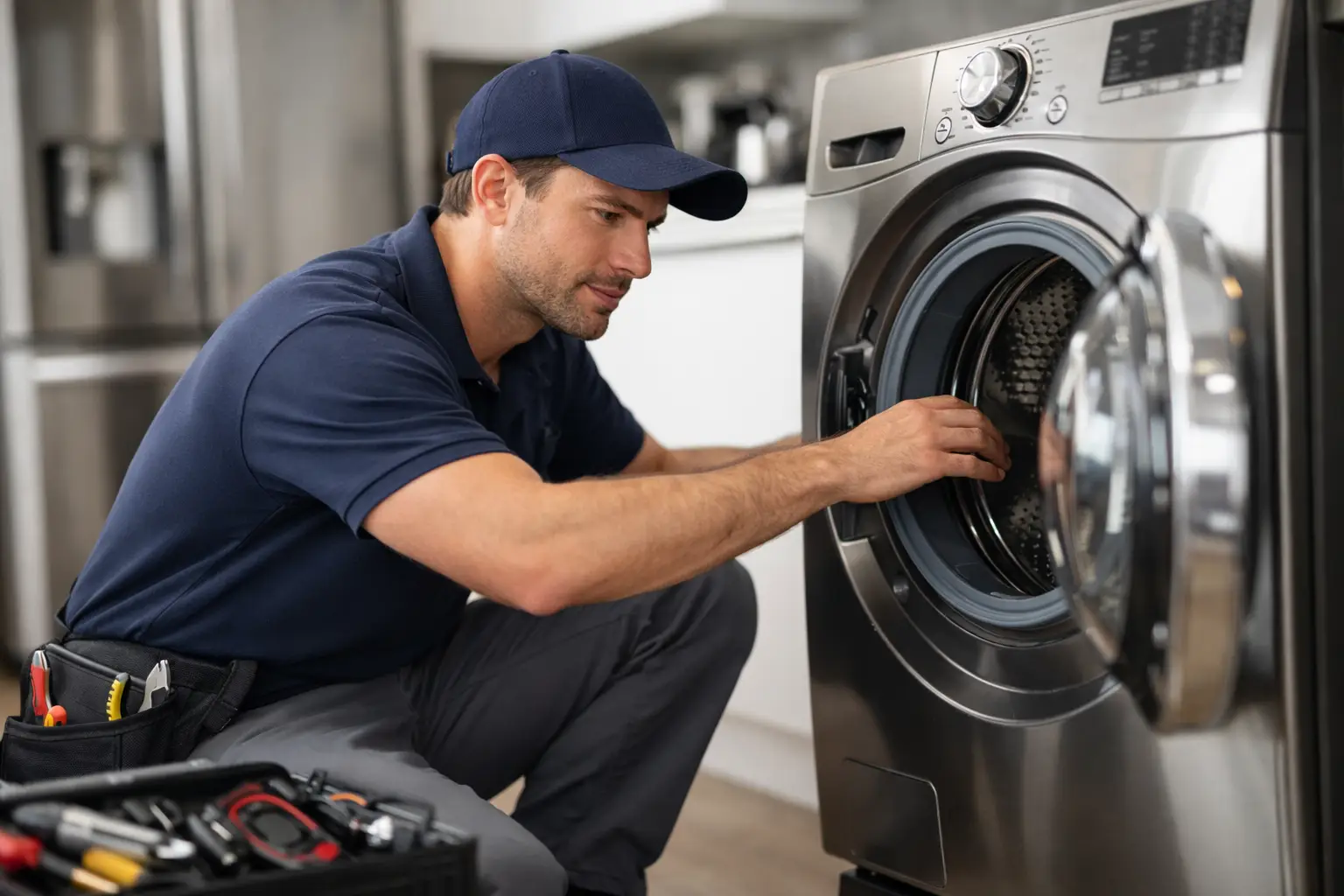
A refrigerator that stops cooling is not a problem to put off until the weekend. Neither is a washer that will not drain before a busy workweek, or an oven that fails just before dinner. In these situations, trained appliance repair technicians make a practical difference: they identify the real cause of the failure, use the right parts, and help prevent the same issue from returning days later.
For homeowners, the goal is not simply to get an appliance running again. It is to get a dependable repair that protects food, routines, and the investment already made in the appliance. That requires more than a quick guess or a temporary adjustment.
What Trained Appliance Repair Technicians Bring to the Job
Modern household appliances are more complicated than they appear from the outside. A refrigerator may have electronic control boards, sensors, compressors, fans, defrost components, water valves, and ice-maker systems working together. A washer can display a drainage symptom caused by a pump, a clogged hose, a lid-lock issue, a control problem, or an installation concern.
A trained technician approaches the service call as a diagnosis, not a parts-swapping exercise. They listen to what the appliance has been doing, inspect the affected components, test electrical and mechanical systems, and narrow down the source of the failure. This process matters because the visible symptom is not always the failed part.
For example, a dishwasher that leaves water in the bottom may have a blocked filter, but it could also have a failed drain pump, a damaged drain hose, or an issue with the control system. Replacing the pump without confirming the cause can add unnecessary cost and still leave the homeowner with the original problem.
Accurate Diagnosis Helps Control Repair Costs
It is understandable to focus on the price of a repair when an appliance suddenly fails. However, the lowest initial quote is not always the lowest total cost. An incomplete diagnosis can lead to multiple visits, incorrect parts, repeat failures, or a repair that does not address the problem at all.
Trained technicians use appliance-specific knowledge and proper diagnostic methods to determine whether repair is reasonable before work moves forward. They can also explain the condition of the appliance in clear terms: what failed, what the repair involves, and whether age, wear, or part availability should affect the decision.
There are cases where replacement is the more sensible choice. If an older appliance has multiple major issues, needs an expensive component, or has a history of recurring failures, putting more money into it may not be the best long-term move. A qualified technician should be straightforward about that trade-off rather than recommending a repair that offers limited value.
Why Experience Matters With Major Appliance Brands
Brand familiarity is valuable because each manufacturer uses different designs, error codes, component layouts, and service procedures. The basic function of a dryer may be the same across brands, but diagnosing a heating issue or electronic error can require specific knowledge of how that model is built.
Experienced technicians work efficiently because they recognize common failure patterns while still verifying the diagnosis. They know where to inspect for worn parts, what readings to test, and which related components may need attention. That can reduce time spent troubleshooting and improve the chance of completing the repair in as few visits as possible.
This is especially useful for appliances that are built into the home or connected to water and gas lines. Refrigerators, wall ovens, ranges, dishwashers, and garbage disposals require careful service to avoid creating a new issue during the repair. Proper training supports safe work practices as well as reliable results.
Genuine Parts Are Part of a Dependable Repair
The quality of the replacement part matters just as much as the diagnosis. A part that does not match the appliance specifications can affect performance, fit poorly, or fail sooner than expected. In some cases, an off-brand component may also create compatibility problems with electronic systems.
Using genuine or manufacturer-approved parts helps restore the appliance as it was intended to operate. Stocked common parts can also make a meaningful difference when a refrigerator is warming up or a family is already behind on laundry. If the correct part is available at the appointment, the repair can often be completed without waiting through another disruption.
Not every part can be kept on a service vehicle. Specialty components for less common models may need to be ordered, and a responsible technician should set clear expectations when that is necessary. What matters is that the right part is identified the first time and installed correctly once it arrives.
The Risk of Delaying a Needed Repair
Some appliance problems are inconvenient but manageable for a short time. Others can become more expensive or damaging when ignored. A refrigerator that cycles constantly may be working harder than necessary and putting food at risk. A leaking dishwasher can damage flooring, cabinets, or areas beneath the kitchen. A dryer that produces unusual heat, burning odors, or repeated shutdowns needs prompt attention.
Homeowners should schedule service quickly when they notice issues such as water leaks, electrical smells, failure to cool or heat, repeated error codes, loud grinding or scraping noises, or an appliance that trips a breaker. Turning an appliance off when it appears unsafe is often the right first step while waiting for professional assessment.
A repair visit is also useful when the appliance is still operating but acting inconsistently. Long cycle times, poor cleaning results, uneven oven temperatures, ice maker failures, and clothes that remain damp after a normal dryer cycle may all point to a developing problem. Addressing the issue before complete failure can sometimes reduce downtime and prevent collateral damage.
What a Professional Service Visit Should Feel Like
A professional appliance repair experience should be clear from the start. The technician should arrive prepared to inspect the appliance, ask relevant questions about the problem, and explain findings without relying on vague language. Homeowners deserve to understand what is being repaired and why.
After diagnosis, the conversation should focus on practical options. That includes the repair needed, the availability of the part, expected timing, and any warranty coverage on parts and labor. A warranty does not guarantee that every future appliance issue is related to the repair, but it does show that the company stands behind the specific work performed.
Speed also matters, particularly for essential kitchen and laundry appliances. Quick service is not about rushing through a repair. It means responding promptly, arriving with the diagnostic tools and common genuine parts needed for the job, and avoiding unnecessary repeat visits whenever possible.
Choosing a Technician for Your Home
When comparing appliance repair providers, look beyond a broad promise to fix appliances. Confirm that the company is licensed and insured, has experience with your appliance brand and type, and provides clear information about its workmanship and part warranty. A local company with a long service history is often easier to reach if you have questions after the repair.
It is also reasonable to ask whether the technician will diagnose the appliance before recommending parts, whether common replacement parts are carried in stock, and what happens if a follow-up visit is required. These details reveal whether the company is focused on resolving the problem or simply moving quickly to the next appointment.
For homes with several appliances nearing the same age, dependable service becomes even more valuable. A technician who accurately documents the issue and gives honest guidance can help homeowners plan repairs and replacements without making rushed decisions during the next breakdown.
When an essential appliance disrupts your home in Irvine or elsewhere in Orange County, Prostar Appliance Service provides prompt, professional help backed by experienced workmanship and a 90-day warranty on parts and labor. For local service details and customer information, visit our Google Business Profile.